

Cardio vs Strength Training for Fat Loss is one of the most debated topics in the fitness world. Many people get confused about whether running more helps lose fat faster or lifting weights gives better fat-burning results. In this complete guide, we will clearly explain how cardio helps in fat loss, how strength training helps in fat loss, and which one truly works best for long-term and sustainable fat loss.
Cardio vs Strength Training for Fat Loss: Understanding the Basics
Before deciding which is better, we must understand what each type of training actually does.
Cardio (cardiovascular exercise) includes activities like running, walking, cycling, HIIT, jumping rope, swimming, or dancing. These exercises keep your heart rate elevated and help burn calories quickly.
Strength training includes workouts such as weightlifting, resistance band exercises, bodyweight exercises, and gym machine workouts. These help build strength, muscle, and overall body structure.
Both are powerful tools, but they work differently for fat loss.

How Cardio Supports Fat Loss
Cardio plays a major role in burning calories and improving overall fitness. When it comes to Cardio vs Strength Training for Fat Loss, cardio has several strong advantages.
Burns Calories Quickly
Cardio workouts help burn a high number of calories in a short period, making it easier to create a calorie deficit, which is necessary for fat loss.
Reduces Belly Fat
Consistent cardio helps reduce visceral fat (dangerous belly fat) that surrounds internal organs and increases health risks.
Improves Heart and Lung Health
Cardio strengthens your heart, improves blood circulation, and increases lung capacity, helping you feel more energetic and active.
Boosts Mood and Reduces Stress
Cardio releases endorphins (happy hormones), helping reduce stress, anxiety, and mental fatigue — which indirectly supports fat loss by improving motivation and consistency.
Easy to Start
Walking, jogging, and cycling are simple, beginner-friendly, and can be done anywhere without expensive equipment.
However, cardio alone is not enough for long-term fat loss. That is where strength training becomes essential.

How Strength Training Supports Fat Loss
Strength training is extremely powerful when discussing Cardio vs Strength Training for Fat Loss because it builds the foundation of a stronger and more metabolic body.
Builds Lean Muscle Mass
Muscle is a calorie-burning tissue. More muscle means your body burns more calories even at rest.
Increases Metabolism
Strength training boosts your Resting Metabolic Rate, meaning you burn calories 24/7, not only during exercise.
Creates Afterburn Effect (EPOC)
After lifting weights, your body continues burning calories for hours while repairing muscles. This gives long-lasting fat-burning benefits.
Prevents Muscle Loss While Dieting
When dieting, many people lose muscle along with fat. Strength training protects your muscles while allowing fat to drop.
Shapes and Tones the Body
Cardio can make you slim, but strength training makes you fit, toned, and athletic.
Improves Hormonal Balance
Strength training improves fat-burning hormones, making fat loss more effective.
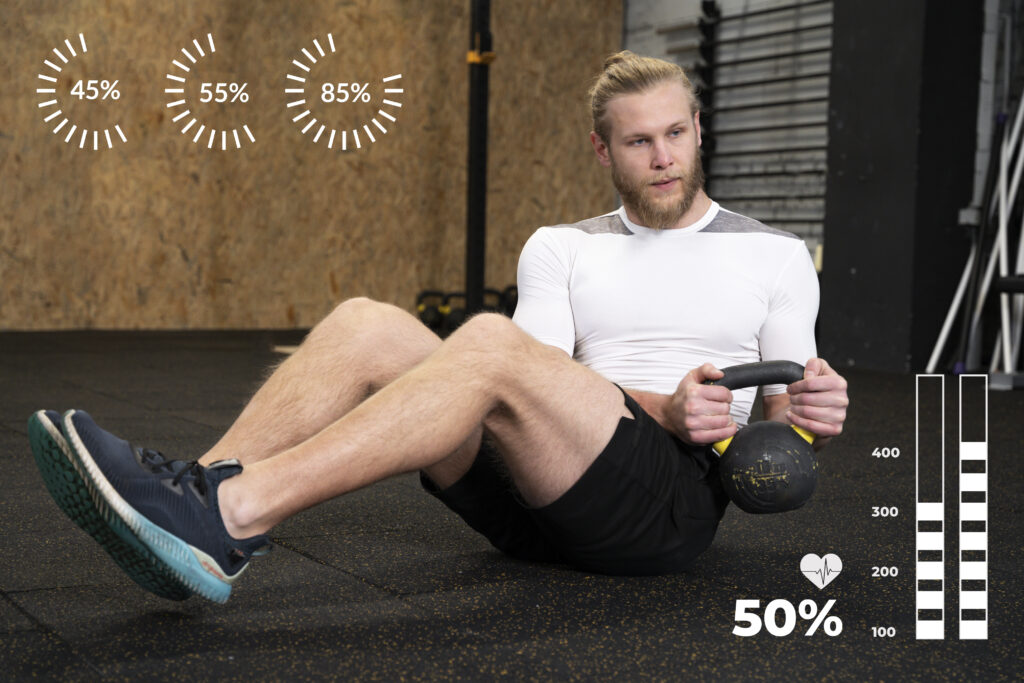
Cardio vs Strength Training: Which Burns More Fat?
Now let’s address the real question:
Which actually works better for fat loss?
Cardio Helps With:
✔ Faster calorie burning
✔ Quick fat reduction
✔ Better stamina
✔ Improved heart health
Strength Training Helps With:
✔ Long-term fat burning
✔ Higher metabolism
✔ Muscle building and toning
✔ Preventing fat regain
So, when comparing Cardio vs Strength Training for Fat Loss:
- Cardio = Faster short-term fat loss
- Strength Training = Better long-term fat loss

The smartest choice is not one or the other.
Best Fat Loss Strategy: Combining Cardio and Strength Training
The most effective approach is to combine both. When cardio and strength training work together, you get:
- Faster calorie burning
- Stronger muscles
- Higher metabolism
- Reduced risk of injury
- Better stamina
- A leaner, more athletic body
This combination prevents plateaus and ensures continuous fat loss.
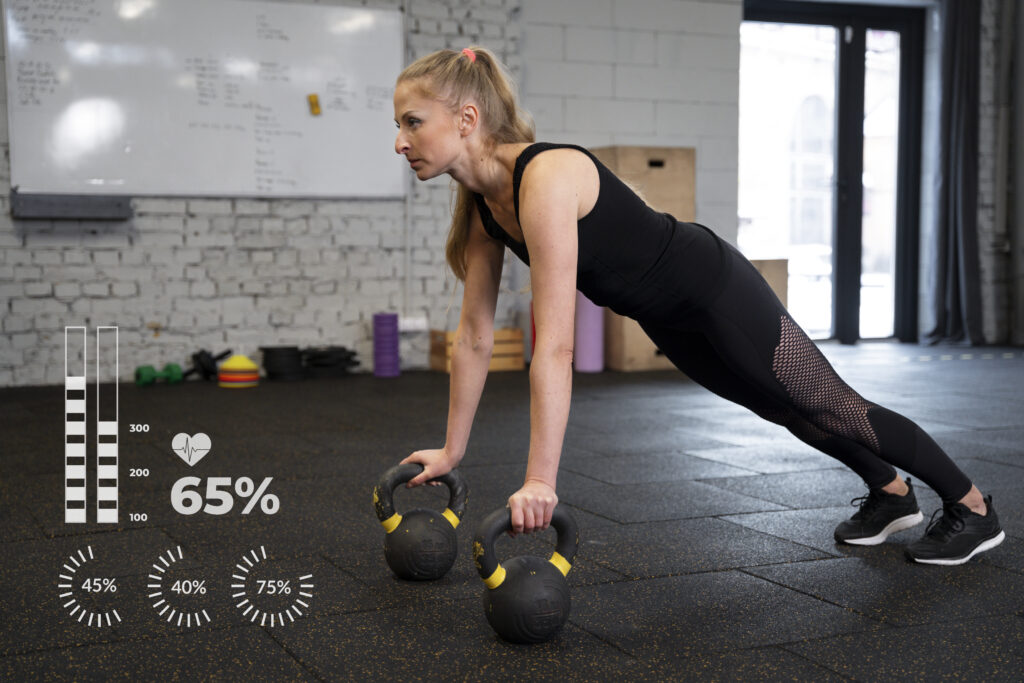
How Much Cardio and Strength Training Should You Do?
Here is a simple and practical guide.
Beginners
3 days strength training
3 days cardio
Intermediate
4 days strength training
2–3 days cardio
Overweight Individuals
3 days strength training
4 days cardio (walking, cycling, elliptical)
This balance ensures powerful fat-burning results.
Nutrition Matters in Cardio vs Strength Training for Fat Loss
Exercise alone cannot deliver results if diet is wrong. Fat loss depends 70% on nutrition.
For best fat-loss results:
- Maintain a calorie deficit
- Eat enough protein
- Avoid junk and sugary drinks
- Stay hydrated
- Sleep 7–8 hours daily
You cannot out-train a bad diet.

Track Progress the Right Way
Do not rely only on body weight. Track:
- Measurements
- Progress photos
- Strength levels
- Waist size
- Clothes fitting
- Energy levels
Sometimes weight stays the same but body becomes leaner and more defined — that is real progress.
Conclusion: What Truly Works Best for Fat Loss?
Here is the final conclusion on Cardio vs Strength Training for Fat Loss:
✔ Cardio burns calories fast
✔ Strength training builds muscle and boosts metabolism
✔ Both together give the best fat-loss transformation
✔ Nutrition and consistency are the real keys to success
So do not choose one — use both smartly.
Strengthen your body.
Burn fat effectively.
Stay disciplined.
Transform your life.
Our Website – Click here
Our Contact – Click here