

Staying consistent with fitness becomes easier when you choose a training style that fits your lifestyle. Understanding Home Workouts vs. Gym Workouts helps you decide which environment supports your goals, comfort, motivation, and long-term progress. Moreover, both home training and gym sessions offer unique advantages, making this comparison essential for your fitness journey. Additionally, this guide provides clarity to help you choose what suits you best.
1. Home Workouts Explained: Key Benefits in the Home Workouts vs. Gym Workouts Debate
Home workouts require minimal equipment and often rely on bodyweight exercises. They offer convenience, reduce travel time, and provide a comfortable starting point for beginners. Furthermore, training at home can be easily adjusted to your schedule, making it highly flexible.
Why Many People Prefer Training at Home
Ideal for busy schedules or those who value privacy
Includes push-ups, squats, yoga, planks, and resistance-band routines
Offers flexible timing—exercise anytime
Improves mobility and endurance over time
Eliminates waiting for machines or dealing with crowds
Provides instant access to online programs
Remains safe for beginners when proper form is followed

2. Gym Training Advantages: What Gyms Offer in the Home Workouts vs. Gym Workouts Comparison
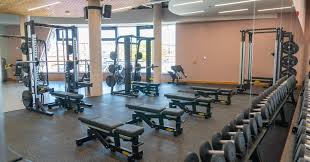
Gyms provide specialized machines and equipment for strength, cardio, and functional training. In addition, professional trainers offer support, structure, and progression—key components for faster results. Consequently, gym workouts often produce noticeable improvements more quickly.
Why Gyms Support Faster Strength and Muscle Development
Gyms provide a wider range of machines and free weights.
You experience a motivating environment that boosts consistency.
Group classes like Zumba, spinning, and CrossFit add variety.
Trainers reduce injury risk through proper guidance.
More exercise options prevent plateaus and encourage improvements.
Dedicated spaces help maintain long-term discipline.
Machines allow precise tracking of reps and weights.

3. Fat Loss & Muscle Gain: How Home Workouts vs. Gym Workouts Compare
Home Workout Results
Home training effectively burns calories, especially HIIT.
It improves stamina while offering light to moderate strength gains.
Beginners benefit from its simplicity.
However, heavy strength training remains limited.
Muscle growth is still possible through progressive variations.
As a result, home workouts are ideal for toning and general fitness maintenance.
Gym Workout Results
Gyms are the best choice for building serious muscle.
Heavy weights support progressive overload more efficiently.
Combining cardio and strength training boosts fat loss.
Machines isolate specific muscles for faster development.
Trainers customize plans to meet personal goals.
Therefore, long-term transformation becomes more achievable.

4. Cost & Accessibility: Comparing Home Workouts vs. Gym Workouts
Advantages of Home Training for Budget and Convenience
Home workouts are free with bodyweight routines.
There are no membership fees or travel costs.
You save time every day, which increases consistency.
Affordable tools like mats or bands enhance training.
The flexible schedule benefits students and busy individuals alike.
Cost Factors of Gym Memberships
Gyms often charge membership fees and personal trainer costs.
Travel adds additional expenses.
Group classes may require extra payments.
However, gyms offer access to high-value equipment.
Some provide diet plans and guidance.
Although costs vary, long-term investment leads to strong results.
5. Motivation & Consistency: Key Differences in Home Workouts vs. Gym Workouts
Home Workout Motivation Patterns
Training at home requires strong self-discipline.
Distractions in the home environment can reduce focus.
Intensity becomes harder to track.
Skipping workouts is tempting due to comfort.
Quiet environments benefit some individuals.
Consistency depends heavily on personal commitment.
Apps and videos help; nevertheless, discipline is essential.
Why Gyms Increase Accountability
Gyms offer a motivating atmosphere.
Seeing others train encourages effort.
Trainers provide accountability and structure.
Variety reduces boredom.
Group classes enhance engagement.
Furthermore, membership investment motivates attendance.

6. Flexibility & Customization: Home Workouts vs. Gym Workouts for Lifestyle Fit
Flexibility of Home Training
You can exercise anytime, anywhere.
Routines adjust based on time and energy levels.
Online videos offer unlimited variety.
Home workouts are travel-friendly.
You control music, environment, and pace, which increases comfort.
Customization Advantages at the Gym
Gyms deliver structured programs.
Weights allow gradual progression.
They support targeted muscle-specific training.
Advanced routines like supersets and circuits become possible.
Trainers tailor workouts to personal goals.
Additionally, gyms support long-term improvement through systematic plans.

7. Safety Considerations in Home Workouts vs. Gym Workouts
Safety at Home
Simple movements lower injury risks.
However, form errors may go unnoticed.
Online videos become the primary guidance.
A safe training space is required.
Warm-ups and cool-downs remain essential for joint health.
Safety at the Gym
Trainers correct mistakes instantly.
Machines help guide movement safely.
Spotters assist with heavy lifts.
Mirrors improve posture and technique.
Emergency support is available when needed, providing added reassurance.

8. Social Interaction & Community Support: Home Workouts vs. Gym Workouts
Social Benefits at the Gym
Gyms allow you to meet new people.
Group classes boost energy and fun.
Partners push each other harder.
Community support increases consistency.
Friendly competition improves performance.
On the other hand, home workouts offer privacy and independence instead of social engagement. Moreover, they eliminate distractions related to social pressure.

9. Tracking Progress: How Home Workouts vs. Gym Workouts Measure Improvement
Tracking Progress at Home
You must log reps manually.
Apps track calories and routines.
Resistance progression is harder to measure.
Photos help monitor transformation.
Great for beginners maintaining basic routines.
Tracking Progress at the Gym
Machines display reps, weight, and calories burned.
Progressive overload becomes easy to measure.
Trainers track performance trends.
Mirrors help monitor physique changes.
Consequently, strength improvements become visible quickly.

10. Conclusion: Choosing Between Home Workouts vs. Gym Workouts
Home workouts are ideal for convenience, low cost, privacy, and general fitness. Gym workouts excel in structure, equipment variety, and faster muscle development. Ultimately, the best choice depends on your lifestyle, goals, budget, and personal preference. Finally, many people combine both methods for maximum results, flexibility, and consistency.
Our Website – Click here
Our Contact – Click here